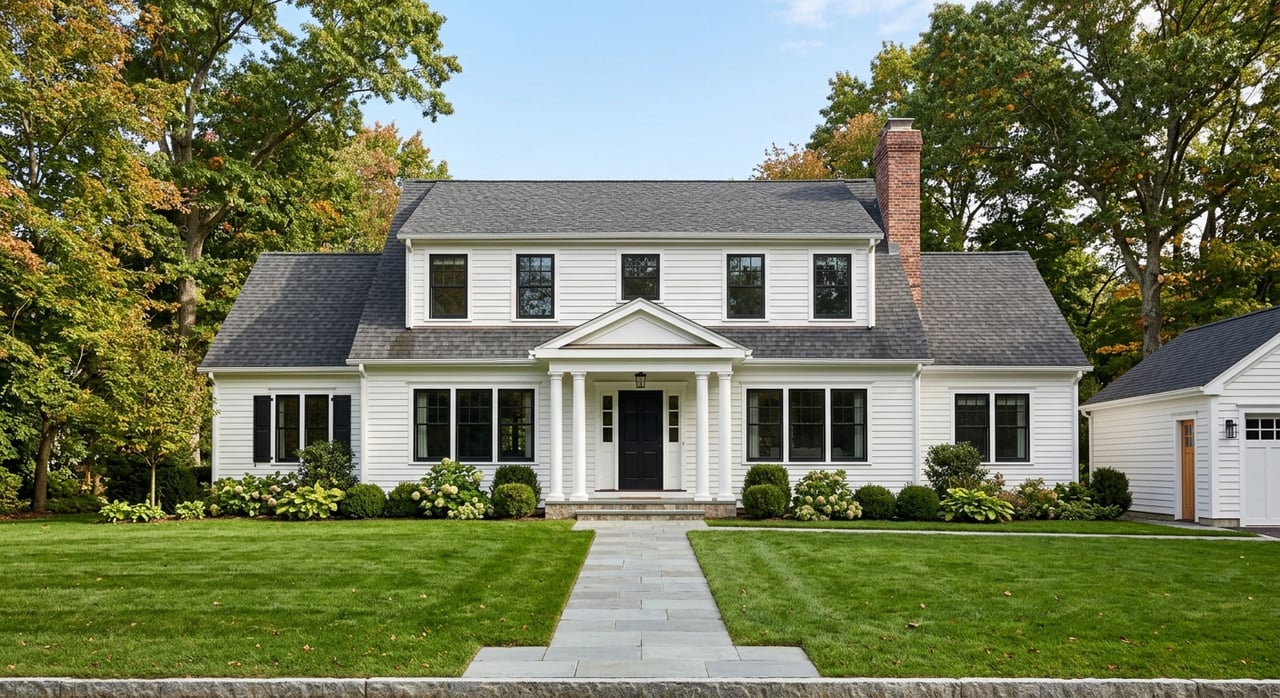
Living in Concord MA: A Practical Guide to Everyday Life
April 23, 2026
April 23, 2026
If you are looking for a suburb that feels rich in history but still works for real life, Concord, MA, tends to stand out fast. You may already know it for Revolutionary War landmarks and famous writers, but daily life here is about much more than postcards and field trips. From walkable village centers to commuter rail access and major open space, Concord offers a lifestyle that blends character, convenience, and a strong sense of place. Let’s dive in.
Concord is one of Massachusetts’ oldest inland settlements, incorporated in 1635, and it is widely known as the site of the first battle of the American Revolutionary War on April 19, 1775. The town also carries a lasting literary identity connected to Thoreau, Emerson, the Alcotts, and Hawthorne, which still shapes its atmosphere and visitor experience, according to the Town of Concord.
That history is part of what makes Concord feel distinctive, but it is not the whole story. When you live here, you are not just surrounded by landmarks. You are living in a town that has developed around village centers, community services, and preserved open space.
One of the biggest things to understand about living in Concord is that daily life is village-based. Instead of one large urban-style downtown, the town is organized around several commercial districts that serve different needs.
Concord Center is the historic business village, with local retail, galleries, cafes, civic buildings, and offices. It tends to be the part of town people picture first when they think of Concord.
Thoreau Depot plays a more practical role in everyday routines. The town describes it as a hub for grocery shopping, hardware, pharmacy needs, salons, dry cleaning, fitness, and medical and dental services, which makes it especially useful for errands.
West Concord offers a somewhat different feel. It is more mixed-use and transit-oriented, with arts, shops, casual dining, creative offices, and neighborhood services. If you want a setting where local businesses and commuting options intersect, this part of town often gets attention.
The practical takeaway is simple: Concord is functional as well as historic. You can enjoy the town’s character while still having access to the places and services that support normal weekly routines.
Where you live within Concord can make a real difference in how your days feel. If you are near Concord Center, Thoreau Depot, or West Concord, you may find it easier to combine errands, dining, and commuting into a more connected routine.
Outside those nodes, Concord becomes more spread out and residential. That is not necessarily a drawback, especially if you value privacy, larger lots, or direct access to nature, but it does mean your day-to-day rhythm may depend more on driving.
For buyers, this is one of the most important lifestyle questions to think through. It is not just about whether you want to live in Concord. It is about which part of Concord best fits your pace and priorities.
Concord’s outdoor identity is a major part of daily life here. This is not a town where green space is an afterthought.
Minute Man National Historical Park stretches across 1,038 acres in three towns, and Concord includes major sites such as the North Bridge area and the Battle Road Trail. The park also notes that the Fitchburg Line stops at Concord Depot, with the North Bridge Unit about a 1.5-mile walk away.
Walden Pond is another signature part of the local lifestyle. It is part of Walden Pond State Reservation and a National Historic Landmark, and Mass.gov notes an accessible trail leading to Thoreau’s cabin site. Visit Concord also highlights features such as a universally designed trail, visitor-center access, and beach wheelchairs available by request.
The town’s open-space appeal goes beyond its most famous destinations. Great Meadows National Wildlife Refuge offers hiking, snowshoeing, fishing, hunting, and boating on the Sudbury and Concord rivers.
Town sources also report that Concord stewards more than 1,500 acres of conservation land, with about 60% of town land designated as open space. For many buyers, that helps explain why Concord feels peaceful and visually grounded even while remaining connected to the larger Greater Boston area.
Concord offers a strong civic and cultural infrastructure for a town of its size. That matters when you are thinking about more than a home and trying to picture your everyday life.
The Concord Free Public Library includes both a main branch and the Fowler branch, along with museum passes and special collections focused on local history and literature. It is a good example of how Concord supports both practical use and community identity.
Public education in town runs from preschool through high school through Concord Public Schools and the Concord-Carlisle Regional School District. The district identifies Alcott, Thoreau, Willard, Concord Middle School, and Concord-Carlisle High School on its main site, which can help you understand the system structure if schools are part of your move planning.
Concord is about 20 miles west of Boston and has access to Route 2 as well as Routes 128/95 and 495, according to the town’s About Concord page. The town also reports MBTA commuter rail service to Boston, Cambridge, and Fitchburg, plus a commuter bus to Boston.
Two rail stations serve the town: Concord Center and West Concord. That gives some buyers useful flexibility, especially if they want a rail-based commute instead of relying only on highways.
That said, station details matter. Visit Concord’s accessibility guide notes that West Concord station has accessible boarding platforms, while Concord station does not and requires metal stairs.
This is a good example of why hyperlocal planning matters in Concord. A home that seems close on a map may offer a very different daily experience depending on which station, village center, or road network you actually use most.
Concord is not positioned as an entry-level market. According to the U.S. Census QuickFacts, the town has an estimated population of 18,092, a median household income of $195,350, a median value of owner-occupied housing units of $1.21 million, and an owner-occupancy rate of 75.7%.
Those numbers point to a premium suburban housing market. If you are considering Concord, it helps to be realistic about the price point from the beginning.
The same Census page reports a mean commute time of 32.4 minutes for workers age 16 and older. For many buyers, that reflects the main tradeoff: you are paying for a town known for historic character, strong open-space access, and commuter options, but that lifestyle comes at a higher cost.
Concord can be a strong match if you want more than just square footage. Many buyers are drawn here because they want a town with identity, preserved landscapes, and daily-life amenities that feel established rather than generic.
You may especially appreciate Concord if you are looking for:
At the same time, Concord may be less ideal if your top priority is affordability or a highly urban, dense, late-night lifestyle. The town offers convenience, but in a distinctly suburban format.
Because Concord has several distinct lifestyle pockets, buying here benefits from a focused local approach. A home near Concord Center may offer a different experience than one near West Concord or in a more residential part of town, even if both share the same zip code.
That is where clear guidance can make a real difference. When you understand how commute patterns, village access, open space, and housing costs come together, you can make a decision that fits your goals instead of just reacting to inventory.
If you are thinking about buying or selling in Concord, Jackson price offers local guidance, responsive communication, and a modern, transparent approach to help you navigate the process with confidence.
Stay up to date on the latest real estate trends.

First-Time Home Buyers
A local strategy for finding homes in Concord, Lexington, Arlington, Maynard, and surrounding MetroWest towns—even in a competitive market
Get assistance in determining current property value, crafting a competitive offer, writing and negotiating a contract, and much more. Contact me today so I can guide you through the buying and selling process.